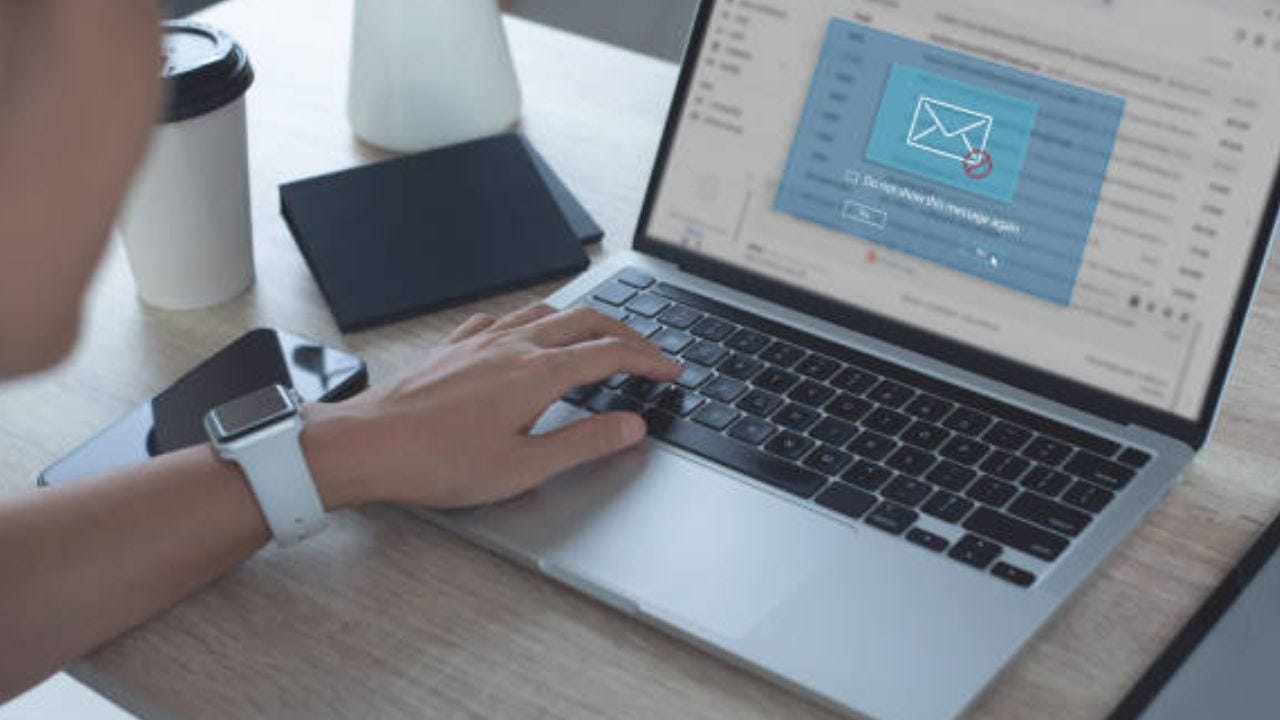
Welcome to CyberHygiene, my weekly newsletter, where I share tips and actionable data to help everyone stay safe online.
1. What is email security and why should it matter to you?
Email is one of the most common forms of communication today, and it often contains sensitive and personal information such as personal and financial data, login credentials, intellectual property, and confidential business information.
Email security refers to the measures taken to protect the content, transmission, and access to email messages. It includes various techniques and technologies used to prevent unauthorized access, hacking, spam, phishing, and other threats that may compromise the confidentiality, integrity, or availability of email communications.
Email security matters. A breach of email security can result in identity theft, financial loss, data leakage, reputational damage, and legal liabilities.
Email security can help protect your privacy and personal information, as well as ensure that your email communications are safe and reliable.
2. What are some common email security threats?
Phishing emails which typically include links to fake websites or attachments that contain malware.
Malware can be spread via email attachments, links, or through infected email messages.
Spoofing, when an attacker sends an email that appears to be from a trusted source, such as a friend, colleague, or a legitimate organization to trick the recipient into revealing sensitive information or downloading malware.
Man-in-the-middle attacks when an attacker intercepts email messages between two parties and alters the contents of the message or inserts malicious code into the email.
Email bombing which is a form of DoS (Denial of Service) attack where the attacker sends a large number of emails to the target email address, overwhelming the recipient’s email server and rendering it unable to send or receive legitimate email messages.
Email interception, when an attacker intercepts email messages in transit between the sender and the recipient. The attacker can then read, alter, or delete the contents of the email.

4. What resources are available to help you better secure your emails?
1) Books
Email Forensics: Eliminating Spam, Scams and Phishing Phishing by Les Hatton
Dark Waters: The Offensive and Defensive Sides of Malicious Emails by Christopher Hadnagy, Michele Fincher
Gmail Seniors Guide: The Most Simple and Updated Manual for the Non-Tech-Savvy to Learn by Jack Hillby
How to Use Gmail Safely The Weakest Link: How to Diagnose, Detect, and Defend Users from Phishing by Arun Vishwanath
2) Courses
3) Certification
4) Documents
5) Podcasts
